
How to Be an Entrepreneur – A Practical Guide to Turning Ideas Into Impact


Entrepreneurship is no longer just about starting a business it’s about identifying possibility where others see barriers, creating value where none existed, and building something that matters.
But becoming an entrepreneur is not an overnight event. It is a mindset, a discipline, and a journey shaped by failures, breakthroughs, and constant learning.
“The best way to predict the future is to create it.” – Peter Drucker
In this guide, we’ll explore what truly makes someone an entrepreneur from mindset to execution while keeping things practical, inspirational, and grounded in real-world strategies.
The Entrepreneurial Mindset: Where It All Begins
The foundation of any successful business lies not in resources like money or tools, but in the entrepreneurial mindset. Strong entrepreneurs possess a unique worldview, seeing gaps as opportunities and treating uncertainty as a natural part of growth, not an obstacle to fear. They deliberately embrace risk, understanding that innovation and growth require stepping outside the comfort zone. They transform problems into potential solutions, pushing forward even when the path is unclear, confident in their ability to adapt and figure things out along the way.
More critically, entrepreneurs prioritize continuous learning, treating every setback as a lesson and a stepping stone. They learn faster than they fail, using curiosity and flexibility to quickly adapt to a constantly shifting world.
“Whether you think you can or think you can’t , you’re right.” – Henry Ford
This belief system shapes their actions and outcomes. While a strong mindset doesn’t promise instant success, it guarantees persistence, which is often the decisive factor that determines who builds something meaningful and who quits prematurely.

Spotting Opportunities: Ideas Are Everywhere
Ideas are everywhere, but entrepreneurs must actively look for them. The key to finding a successful business idea is not waiting for a “perfect” concept, but engaging in active observation and listening to identify pain points in the world around you. Focus on solving real-world frustrations by asking
- What frustrates people every day?
- What service feels outdated or inefficient?
- What process could be simplified or automated?
- What are people currently willing to pay for, but wish was better?
Great businesses start with a problem worth solving, not a perfected product. The ability to spot and solve these specific frustrations is where genuine entrepreneurial opportunity lies.
Start Small, Build Fast: The Power of the MVP
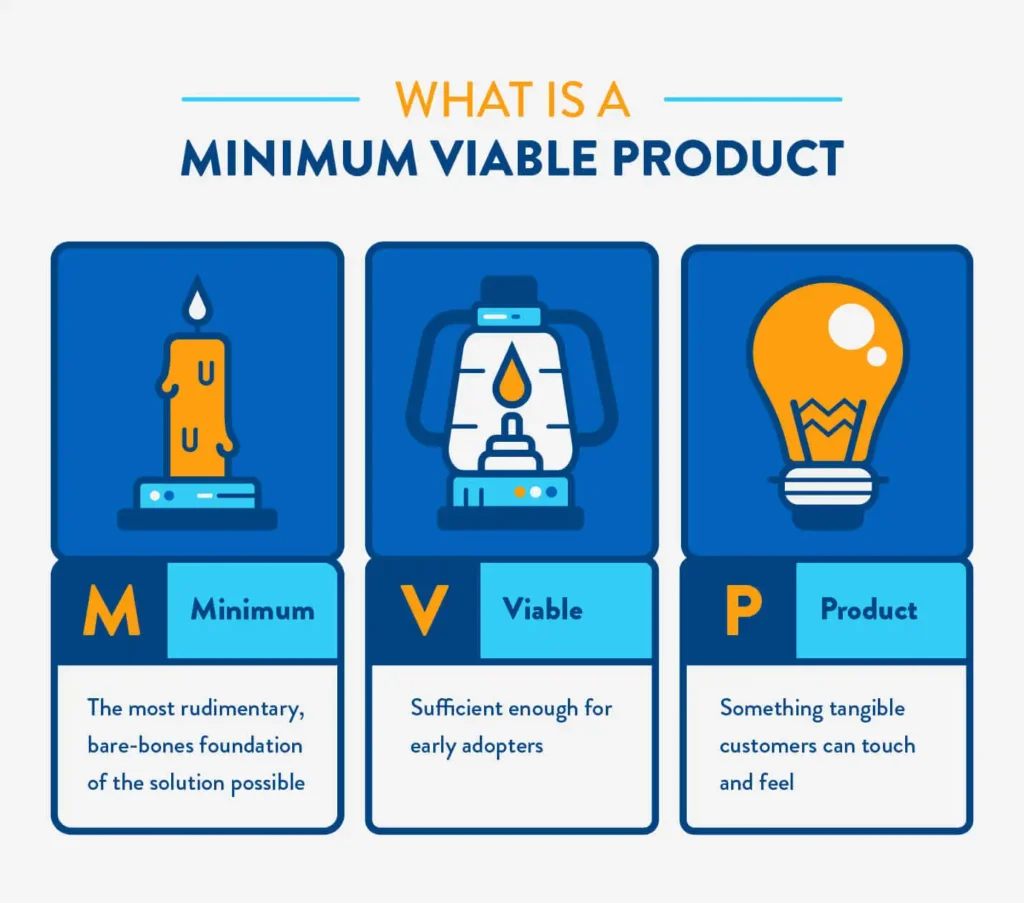
The most effective entrepreneurs embrace speed and efficiency over secrecy and prolonged development. They rapidly create a Minimum Viable Product (MVP)—a basic, functional version of their idea—to test real market demand as quickly as possible.
Key Advantages of Using an MVP
- Lower Cost: Reduces initial financial investment and risk.
- Faster Testing: Allows for quick deployment and immediate interaction with the market.
- Real User Feedback: Provides authentic insights and data from actual customers, enabling informed iteration.
- Avoids Waste: Prevents the expensive mistake of developing a complex product that ultimately nobody wants.
Remember the mantra: “Done is better than perfect.” The pursuit of perfection often stalls innovation, an MVP gets a foundational solution into the hands of users so you can learn and iterate immediately.
Financial Discipline: The Backbone of the Business
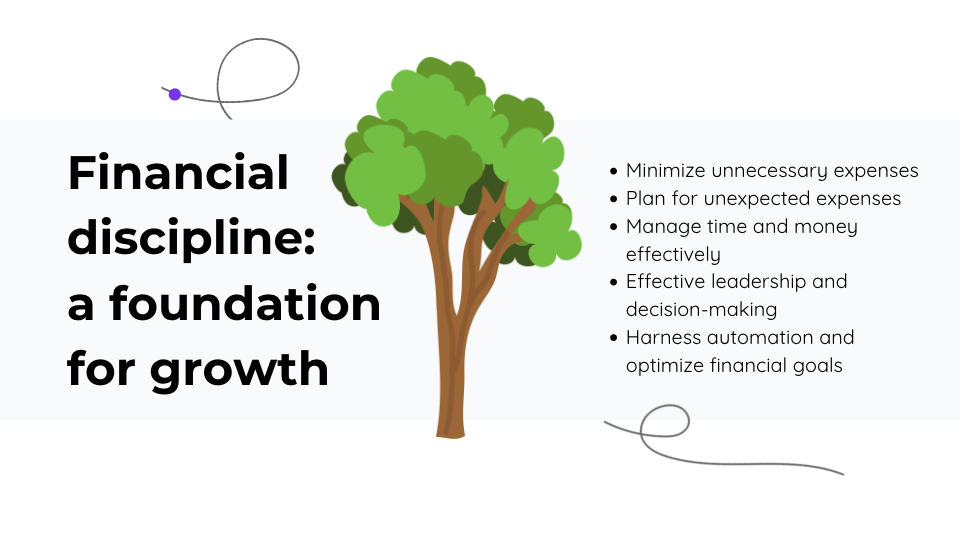
A brilliant idea can collapse without strong financial discipline. Successful entrepreneurs understand that money is not the ultimate goal but it fuels every part of the mission. This is why they master the fundamentals – managing cash flow, protecting profit margins, planning realistic budgets, reinvesting wisely, and analysing risk before making big decisions. Financial discipline keeps the business stable during tough times and gives it the power to grow when opportunities appear. In entrepreneurship, numbers don’t just tell stories , they decide survival.
Never Stop Learning
The most successful entrepreneurs are lifelong learners—they read, listen, observe, and evolve every single day.
“An investment in knowledge pays the best interest.” – Benjamin Franklin
Continuous learning keeps entrepreneurs sharp and adaptable, whether it comes from courses, mentors, books, or real-world experience. In a fast-changing world, learning becomes the engine that drives innovation, better decisions, and long-term growth.